
We are witnessing significant changes in the financial landscape as Bitcoin price fluctuations continue to reshape the global economy. The recent declines in Bitcoin value reflect broader market sentiments, impacting investors and industries alike. Understanding these shifts can help readers navigate the uncertainties of the crypto market strategically.
Bitcoin Price Fluctuations and Their Immediate Effects
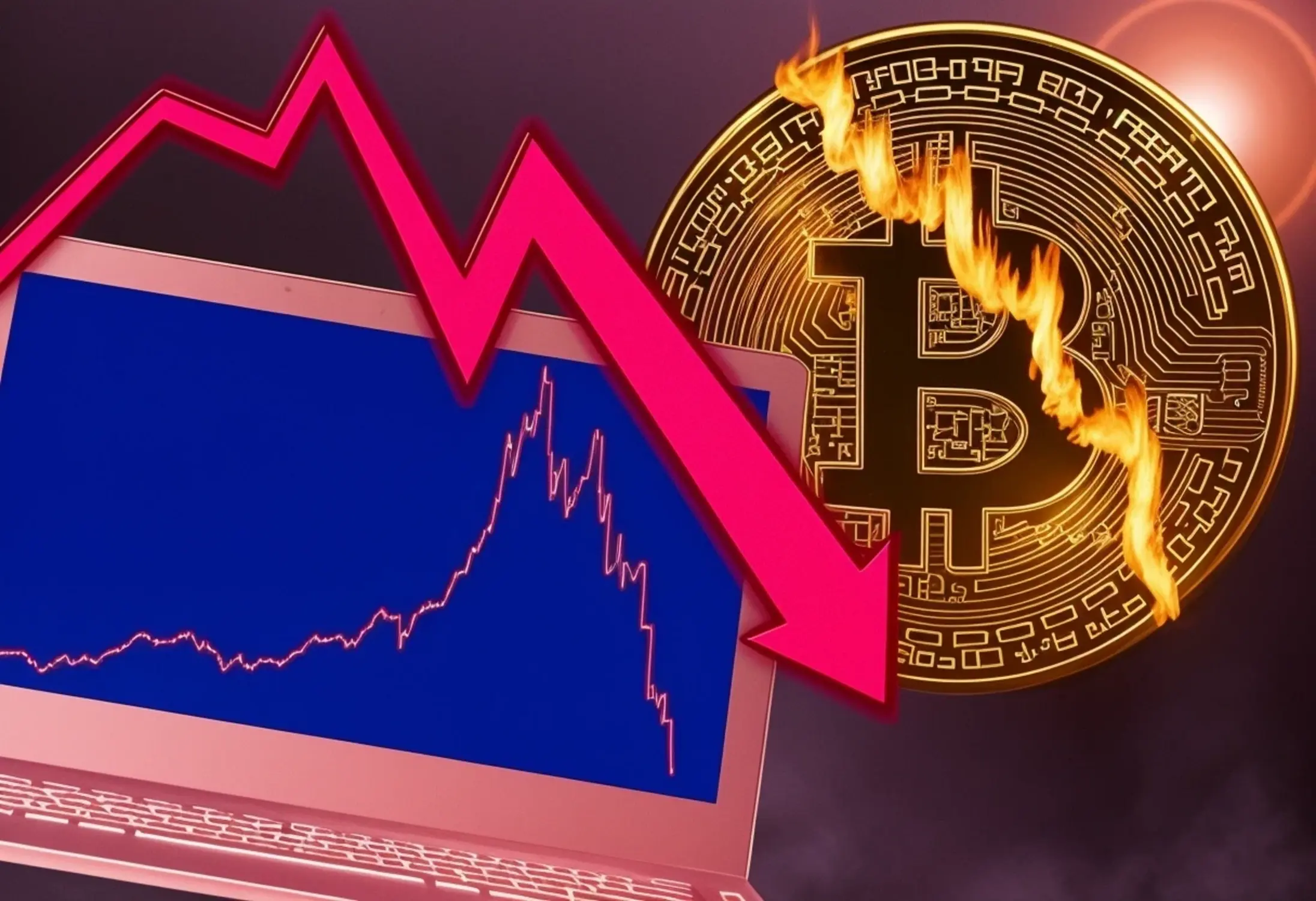
Bitcoin price fluctuations profoundly affect market confidence. Recent events show that as Bitcoin prices drop, many investors reassess their strategies. For instance, the cryptocurrency recently saw a price decline to around $67,000, a significant drop from earlier highs, illustrating how quickly market dynamics can shift. The decrease also signifies a loss of trust for some, as observed by the rapid withdrawal of approximately $5.7 billion from spot Bitcoin ETFs between November and January, further impacting market confidence, as highlighted by PBS NewsHour.
Moreover, fluctuating Bitcoin values influence investment decisions significantly. Investors typically react to price drops by either selling off holdings to mitigate losses or holding out in hopes for a market rebound. The psychology behind investment decisions plays a crucial role in these scenarios. When prices fall, fear often drives investors to liquidate their assets hastily, leading to further drops in price due to increased selling pressure. Understanding this correlation between Bitcoin price movements and investor psychology can equip investors with the necessary insights to make informed decisions amidst the turbulence of the crypto market.
The Role of Regulatory Changes in the Crypto Market
Regulatory changes significantly impact Bitcoin pricing, marking a critical aspect of the cryptocurrency’s landscape. Governments worldwide are exploring how to regulate cryptocurrencies effectively, which can dramatically influence Bitcoin’s market position. For example, when regulations tighten, such as after new governmental policies aimed at controlling cryptocurrency use are announced, market enthusiasm tends to dwindle. Recent analysis indicates that the combination of tightening regulations and market uncertainty has led to a decline in institutional trust in Bitcoin, significantly affecting its price trajectory, as detailed by Al Jazeera.
Moreover, investor trust is closely tied to how they perceive these regulatory frameworks. When governments announce supportive policies, it often drives short-term spikes in market enthusiasm; however, the reverse can create hesitancy among investors. The dynamic interplay between regulatory frameworks and market confidence indicates that ongoing developments in this arena will remain critical for Bitcoin and potentially other cryptocurrencies in the future.
Current Trends in Institutional Investment Strategies
Institutional investment strategies around Bitcoin are evolving, reflecting a shift in how large investors approach the crypto market. Reports show that institutions are increasingly reevaluating their Bitcoin holdings, which has led to significant sell-offs. For instance, recent statistics revealed that institutional demand for Bitcoin faced a reversal as many investment funds began to liquidate holdings, leading to steep declines in price. The consequences of these large-scale sell-offs are substantial, impacting market prices not just in the short term, but in building a narrative of cautiousness among other potential investors.
Emerging trends among institutions suggest a more conservative approach to Bitcoin investment. While institutions once viewed Bitcoin as a high-potential asset, the volatility and recent price drops have made many reconsider their participation. Consequently, understanding these shifts in investment strategies is essential for recognizing how Bitcoin’s place in the financial ecosystem might evolve following the challenges it currently faces.
Effects of Global Economic Factors on Bitcoin Prices
Bitcoin price dynamics are not isolated from broader economic factors. Correlation with traditional financial markets, including stock indices and commodity prices, often influences Bitcoin fluctuations. For example, a downturn in financial markets can lead investors to seek refuge in cryptocurrencies, subsequently boosting Bitcoin prices. Conversely, a robust stock market might see investors pulling back from crypto investments, leading to price drops.
Specific case studies illustrate how economic events impact the crypto market. Following significant economic announcements or financial crises, Bitcoin has either surged or plummeted based on market sentiment. For instance, during the economic uncertainty brought about by recent geopolitical factors, Bitcoin prices demonstrated increased volatility, prompting questions about its status as a safe haven asset. This highlights the interconnected nature of cryptocurrencies with global economic trends, suggesting that ongoing market analysis must consider these multifaceted relationships.
Consumer Sentiment and Market Behavior
Consumer sentiment plays a pivotal role in dictating Bitcoin trading patterns. The psychological aspect of investing becomes especially relevant during Bitcoin price drops. For example, a significant decline can lead to panic selling, where investors offload their assets en masse reacting to fear rather than rational analysis. This reaction often exacerbates the price drop itself, creating a vicious cycle within the market.
Insights into public perception show that as consumer confidence wanes, trading volume may see a decline, further influencing Bitcoin’s price trajectory. Understanding these trends allows for a more nuanced approach to investment, as savvy investors can seek to capitalize on market fears when prices are low. During downturns, maintaining an informed perspective on consumer behavior and aligning investment strategies with these sentiments can result in strategic advantages for informed investors.
Strategies for Navigating Bitcoin Price Volatility
Navigating Bitcoin price volatility requires practical strategies that consider the nuances of the market. One effective approach is to establish a disciplined investment strategy, focusing on long-term goals rather than reacting impulsively to short-term price fluctuations. Investors should assess their risk tolerance before engaging with Bitcoin, knowing that its volatility is a characteristic feature of the market.
Managing risk effectively in a volatile market can include diversifying investments across various asset classes, not solely relying on cryptocurrencies for portfolio growth. Additionally, utilizing market research to inform decisions is crucial. This includes staying updated with economic indicators that can signal upcoming trends within the crypto market.
By emphasizing the importance of informed market analysis, investors can enhance their decision-making skills amid uncertainty. Employing these strategies not only mitigates risks but can also position investors favorably when market conditions align with their long-term objectives.
Understanding the Financial Impact on Global Economies
The broader implications of Bitcoin price changes remain significant for the global economy. As Bitcoin’s popularity surges, countries are adapting to the rise of cryptocurrency investments, with some nations even exploring the integration of Bitcoin into their financial systems. This evolution poses questions about how existing economic structures will accommodate the growing influence of cryptocurrencies.
Nations observing Bitcoin’s trajectory are altering financial policies to either embrace or regulate its usage more effectively. The implications for global economies extend far beyond mere price fluctuations, hinting at a future where Bitcoin could interlace with traditional financial operations. This adaptation may lead economic leaders to reassess monetary policies and taxation frameworks in light of cryptocurrency’s increasing relevance.
With Bitcoin now being viewed by many as a legitimate financial asset, its integration hints at a future where digital currencies could play a central role in everyday financial transactions. As such developments unfold, the economic landscape may increasingly reflect the values and behaviors of cryptocurrency investors and users, shaping global contours of finance in ways previously unimagined.



More Stories
Why Bitcoin’s Price Drop Might Signal a Major Market Shift
The Hidden Truth About Bitcoin Price Correlation and Economic Trends
The Hidden Truth About Bitcoin’s ‘Death Spiral’ and Its Impacts